


[CEO Journal #2] Grounding Legacy, Magnetism, and Connection in Everyday Rituals
- Mar 16
- 6 min read
Reflections on Daily Meals and the Practice of Cultural Localization
Written by Stella H. Kim, SPHR
March 16, 2026
Some of the most instructive moments in leadership do not come from strategy sessions or structured reflection. They emerge through the ordinary rhythms of daily life.
As a 1.5 generation Korean American, I have spent much of my career examining how culture shapes the way people gather, build trust, and sustain community across generations and geographies. Much of this work takes place in formal settings such as boardrooms, conferences, and institutional gatherings. Yet recently, an otherwise ordinary day offered one of the clearest illustrations of cultural localization I have encountered in years.
On that day, four meals took place in four distinct environments, each shaped by a different cultural structure. The morning began with a croissant and coffee during a neighborhood walk with my dog. That afternoon, a business lunch took place at a Chinese restaurant with clients around a rotating table. Dinner was a bowl of Japanese ramen eaten alone in a small booth in the middle of Times Square. Late that night, the day ended with Korean fried chicken and beer shared with family while watching Netflix.
Individually, each moment felt routine. Together, they revealed something worth examining. Across cultures, meals rarely serve only as nourishment. The setting, the rhythm of conversation, and the expectations surrounding the gathering often reflect how people build relationships, establish trust, and participate in community.
In many ways, daily meals quietly function as a form of cultural infrastructure. They shape how people relate to one another long before formal partnerships or institutional collaboration begins.
Understanding Food Rituals as Cultural Architecture
The morning coffee and croissant reflect the familiar rhythm of Western urban life. Coffee culture has long been associated with the European intellectual tradition, where cafés served as informal gathering places for writers, thinkers, and civic leaders. Over time, the ritual evolved into something more personal: a brief transition between private life and public responsibility.
Walking with my dog before the work day begins creates that transition. The city is only beginning to wake, the light is changing, and the pace of the day has not yet taken hold. Coffee serves as a signal that the mind is shifting from rest toward engagement.
The walk itself remains unstructured with no agenda, no deliverables, and no role to perform. The rhythm is defined by movement rather than schedule, and the companionship requires no explanation. For leaders navigating dense schedules and complex decisions, these moments of quiet structure often provide clarity before the demands of the day fully begin.


Croissant, Coffee, and European Café
Lunch introduced a different cultural structure. Chinese dining traditions center shared dishes on a circular platform that rotates around the table, allowing each guest to participate equally in the meal. The structure reflects values of harmony, attentiveness, and collective access rather than individual portions. The round table also carries symbolic meaning. Unlike rectangular arrangements that can reinforce hierarchy through seating positions, the circular design encourages balance and shared participation.
As dishes move around the table, conversation tends to move with them. Stories, observations, and ideas circulate naturally. Business discussions in this environment often blend easily with personal reflection and industry insight. The structure of the meal allows relationships to develop without the rigidity of formal agendas. In many ways, the design of the table facilitates the relational exchange that precedes formal collaboration.


Chinese Rotating Dining Table
Dinner provided a stark contrasting environment. The ramen restaurant was organized around individual seats, each facing a small service window covered by a curtain. The room was full, yet quiet and focused. This structure reflects Japan’s respect for craftsmanship and individual experience.
Ramen chefs often spend years refining their techniques. The dining environment allows guests to focus fully on the meal and the work behind it. This format also reflects the pace of modern Japanese cities, where density and long working hours require a balance between efficiency and personal space. The individual booth removes distraction and encourages attention.
In the midst of a busy workday, with a full evening of work still ahead, the booth offered a brief moment of calm and stillness.


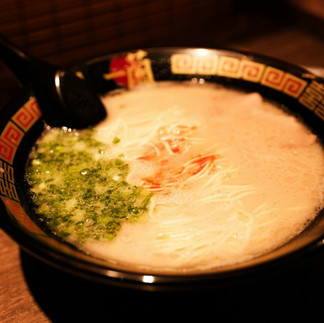


Japanese Ramen Restaurant and Booth
Late that night, the day ended with something spontaneously familiar. Korean chimaek, fried chicken and beer, is a common ritual in Korean social life. For me, it carries a sense of nostalgia. I remember my father bringing home a box of fried chicken after a long day. Later, it became the easy rhythm of friends gathering over chicken and beer after a long week.
These gatherings require no formal planning. They happen naturally because the people and the comfort of the food are enough. Unlike more structured dining environments, chimaek encourages laughter, relaxed conversation, and shared memory. It allows people to step outside professional roles and reconnect with the relationships that ground them.


Korean Fried Chicken and Beer
Examining Cultural Rituals Through the Lens of Localization
What stayed with me most that day was not the variety of food, but the movement between environments and what each revealed about how cultures structure connection.
Each setting carried a different rhythm. The morning walk offered companionship without conversation. The Chinese lunch table encouraged circulation of both dishes and ideas. The ramen booth invited attention and stillness. The chimaek gathering returned the day to something rarely found in professional settings: ease, familiarity, and enduring connection.
What these environments shared was not a single cultural style, but the role each played as a space where relationships take shape in their own way. For organizations operating internationally, this distinction has practical implications. Localization is often discussed as a strategic initiative involving market entry, operational alignment, or workforce planning. Yet localization also unfolds through everyday participation in the environments where trust naturally develops.
In some cultures, trust grows through collective exchange. In others, it develops through attentiveness, rhythm, and consistency. Observing how people gather, how they share space, and how communication unfolds often reveals forms of cultural understanding that formal structures alone cannot provide. Many meaningful exchanges occur outside meeting rooms. They rarely appear in organizational charts or business strategies, yet they form the social foundation that allows partnerships and communities to endure.
Localization therefore becomes more than adaptation. It becomes participation, presence, and the willingness to recognize how trust takes shape within a culture.
Connecting Localization and Leadership to Carry the Reflection Forward
As organizations expand across borders, effective localization requires leaders to move beyond transactional engagement toward deeper cultural participation.
Market entry is often measured through investment, hiring, or operational growth. Yet long-term credibility within a community develops more gradually through relationships formed within the cultural ecosystems of daily life. These ecosystems exist not only in institutions and formal gatherings, but also in everyday moments where people meet, exchange ideas, and strengthen the connections that sustain community over time.
For leaders working across cultures, attention to these rhythms becomes an essential part of responsible leadership. Understanding how people connect within a culture allows organizations to move from simply operating in a place to genuinely belonging to it. Belonging is not established through presence alone. It is built through consistency, attentiveness, and a willingness to participate in the environments where trust forms long before it becomes formalized.
The practice of localization begins with observation. It begins with noticing how people gather, how conversations unfold, and how culture quietly shapes the environments where relationships take root. Those lessons rarely emerge from strategy documents or boardrooms alone. They surface in the ordinary everyday moments where people move through their lives and invite others into them.
Legacy grows through this kind of presence. Magnetism emerges when leaders engage authentically within the communities they seek to understand. Connection deepens when we take the time to recognize not only where people gather, but why those spaces matter.
Not all of those moments arrive with such ceremony. Many of these insights appear quietly, within the rhythm of an ordinary day, reminding us that culture is not only what we observe in institutions and milestones, but also what we live, share, and carry forward together.
Photo Sources: Canva, Pexels, Unsplash
========
About Our CEO & President

Stella H. Kim is Chief Executive Officer and President of HRCap, Inc., a Global HR Intelligence Partner specializing in Executive Intelligence, HR Consulting Intelligence, and AI Platform Intelligence to support growth-stage companies, multinational corporations, and global organizations navigating workforce strategy, cross-border hiring, and organizational localization.
Over the past decade, she has led the firm’s evolution from a traditional recruiting partner into an integrated HR intelligence platform, bringing together consulting, executive search, and AI-enabled talent solutions to help organizations navigate expansion across the United States and international markets. Her work focuses on how companies build sustainable teams, leadership pipelines, and culturally responsive operating models in complex global environments.
A 1.5 Generation Korean American women executive and Forbes HR Council member, Stella’s leadership reflects a commitment to legacy, magnetism, and connection as guiding principles for organizational growth. She frequently writes expert columns and speaks on workforce localization, leadership development, and the intersection of culture and business, exploring how institutions and communities shape one another over time.
Through her CEO Journal series, Stella shares reflections on leadership, global work, and cultural participation from the perspective of a first-generation business built across generations.
![[CEO Journal #3] Anchoring Legacy, Magnetism, and Connection Across Time Zones](https://static.wixstatic.com/media/6f5bc0_e870619bc74e474a8f13cefc0de33fca~mv2.jpg/v1/fill/w_980,h_735,al_c,q_85,usm_0.66_1.00_0.01,enc_avif,quality_auto/6f5bc0_e870619bc74e474a8f13cefc0de33fca~mv2.jpg)

